From Idea to Launch: A Complete Guide to App Development
March 30, 2026 · 8 min read
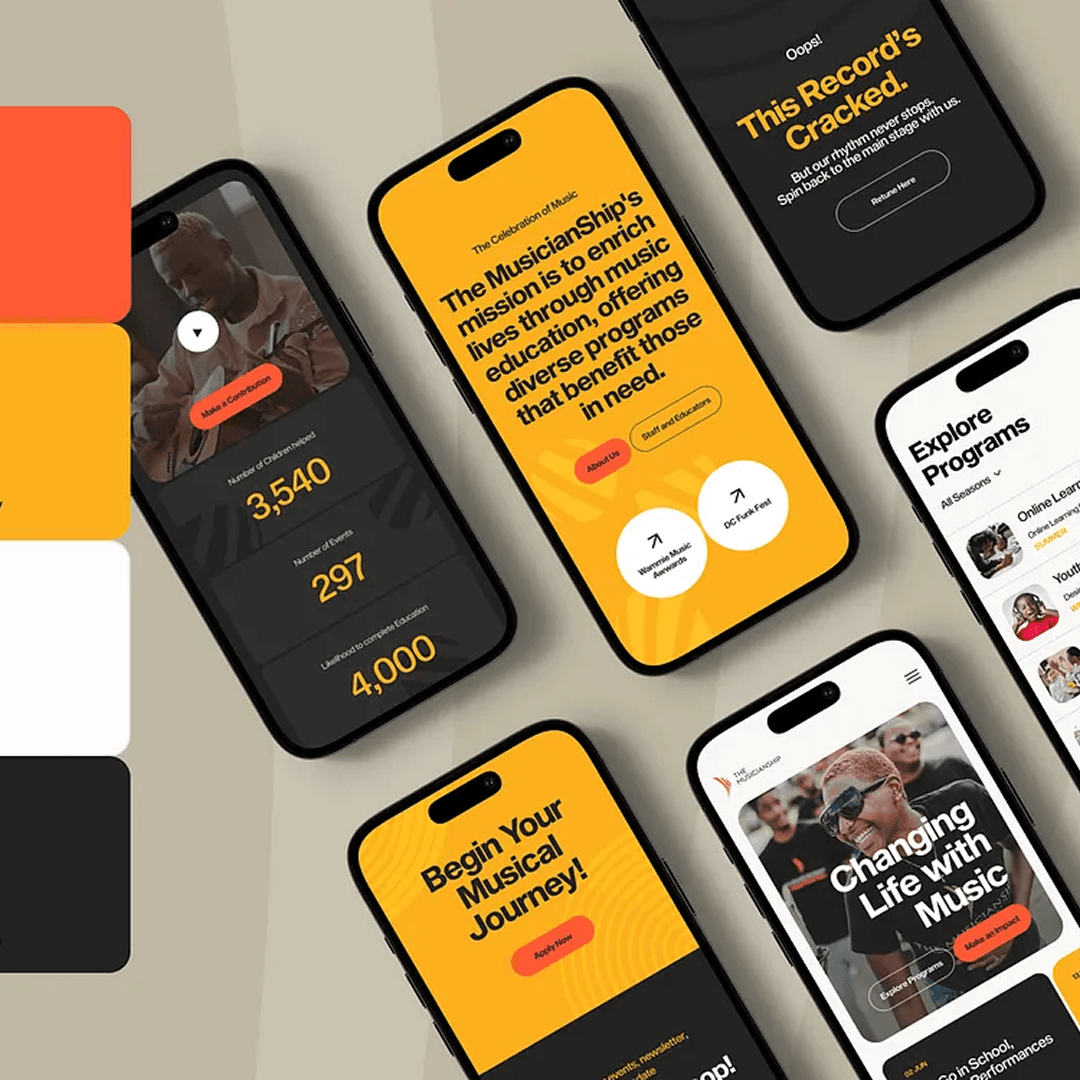
Building a mobile app is a journey with many stages. This guide walks you through every phase — from concept to App Store listing.
Every successful app starts as an idea scribbled on a napkin or typed into a note app at 2 a.m. Transforming that idea into a polished, live product requires a clear process. Here is a blueprint.
Phase 1: Discovery & Research
Before a single line of code is written, invest time in understanding your target users. Conduct interviews, study competitor apps, and define the core problem your app will solve. A one-sentence value proposition — "Our app helps X do Y so they can Z" — keeps the project focused.
Phase 2: Define the MVP
A Minimum Viable Product contains only the features essential to deliver core value. Resist the temptation to ship everything at once. Ship the smallest useful version, gather real feedback, and iterate. This saves time, money, and emotional energy.
Phase 3: UX Wireframing
Wireframes are low-fidelity blueprints of every screen. They map the user journey before visual design begins, ensuring the information architecture is logical before aesthetics are added. Tools like Figma make collaborative wireframing fast and shareable.
Phase 4: UI Design
With the wireframes approved, designers apply brand colours, typography, icons, and animations. A robust design system — buttons, cards, form fields — ensures consistency across all screens and speeds up developer handoff.
Phase 5: Development
React Native and Flutter allow a single codebase to run on both iOS and Android, dramatically reducing development cost. For performance-critical or platform-specific functionality, native development remains the gold standard.
Phase 6: Testing
Quality Assurance covers functional testing (does it work?), usability testing (can users figure it out?), performance testing (does it stay fast under load?), and security testing (is user data safe?). Automated test suites catch regressions as features are added.
Phase 7: Launch
App Store Optimisation (ASO) — compelling screenshots, keyword-rich descriptions, and a strong icon — determines how discoverable your app is in store search. Plan a launch announcement across email, social media, and PR channels.
Phase 8: Post-Launch Iteration
The launch is the beginning, not the end. Monitor crash reports, user reviews, and analytics. Prioritise the next iteration based on real usage data.
The Dribblu Technologies app development team has shipped apps across fintech, healthcare, e-commerce, and education verticals. See what we build or start a conversation.
More from Our Blog

April 28, 2026 · 6 min read
10 Web Design Trends to Watch in 2026
From AI-generated layouts to immersive 3-D scrolling experiences, discover the design directions shaping the web this year.

April 14, 2026 · 7 min read
Why SEO Is the Backbone of Your Digital Strategy
Paid ads stop the moment you pause spending. SEO compounds over time — here's why it deserves the centre spot in your marketing plan.
Want results like these for your business?
Dribblu Technologies delivers custom web design, SEO, app development, and graphic design — all under one roof.
Start a Project